July 17, 18, and 19
Play • Wonder • Learn
Three Days. Twelve Sessions.
One Planning Method That Makes the Academic Power of Play Impossible to Miss.
A free three-day online event for early childhood educators who are tired of knowing the learning is real but struggling to make it visible to the parents, directors, and systems that keep asking for proof.
SAVE MY SPOT
A four-year-old balances a long block on two short ones and holds her breath.
You can see the math in her hands. The spatial reasoning. The problem-solving. The concentration that no worksheet has ever produced.
And then a parent stands in the doorway and asks, "When are they going to start learning their numbers?"
You know the answer. You have lived the answer for years.
But in that moment, the words vanish.
You have watched children do extraordinary things at the light table, at the sensory bin, at the storytelling corner, inside the block area. You KNOW it is real learning. You feel it in your bones.
The problem has never been the learning. The problem is that no one gave you a framework for seeing it, a language for naming it, and the confidence to talk about it with the people who keep asking for proof.
That is what this event gives you. All three. In three days.
SAVE MY SPOT (FREE)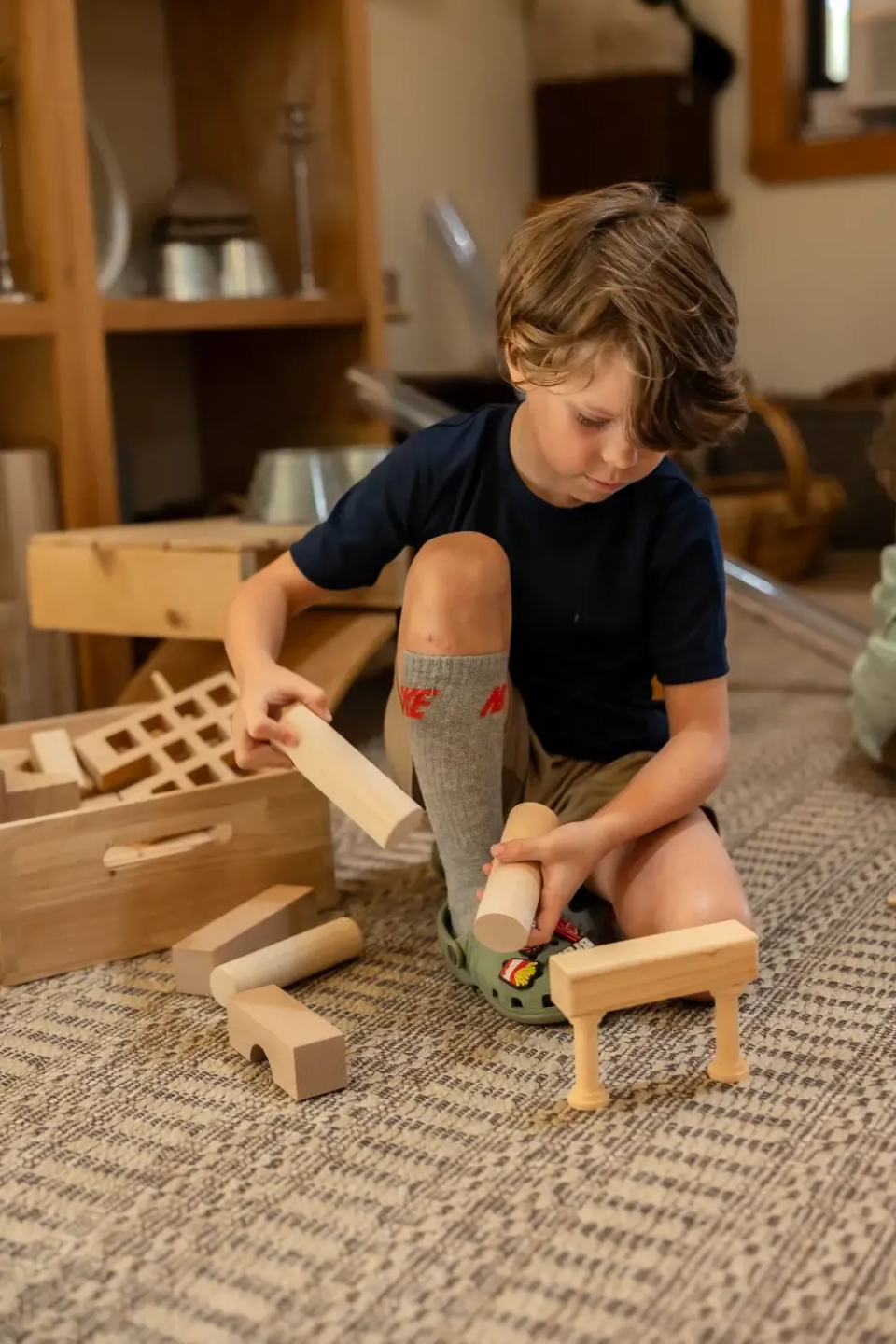
What You Will Experience
Play • Wonder • Learn is a free three-day online summit built around one planning method.
It is a method that starts with what children are already doing and gives you the lens to see the academics buried inside it. Not by adding to your plate. By changing what you see on the plate you already have.
Every session follows the same thread:
The children are already doing the work. The academic learning is already inside the play. What has been missing is a framework for seeing it, a language for naming it, and the confidence to explain it to anyone who asks.
The Three-day Journey
DAY 1: OBSERVE
The Academic Power Hidden in Play
Children are already doing the academic work. Every session on Day 1 gives you the eyes to see it and the language to name it.
Session 1:
What Children Learn in Block Play (That Worksheets Cannot Teach)
The 8 Mathematical Concepts Children Build With Their Hands
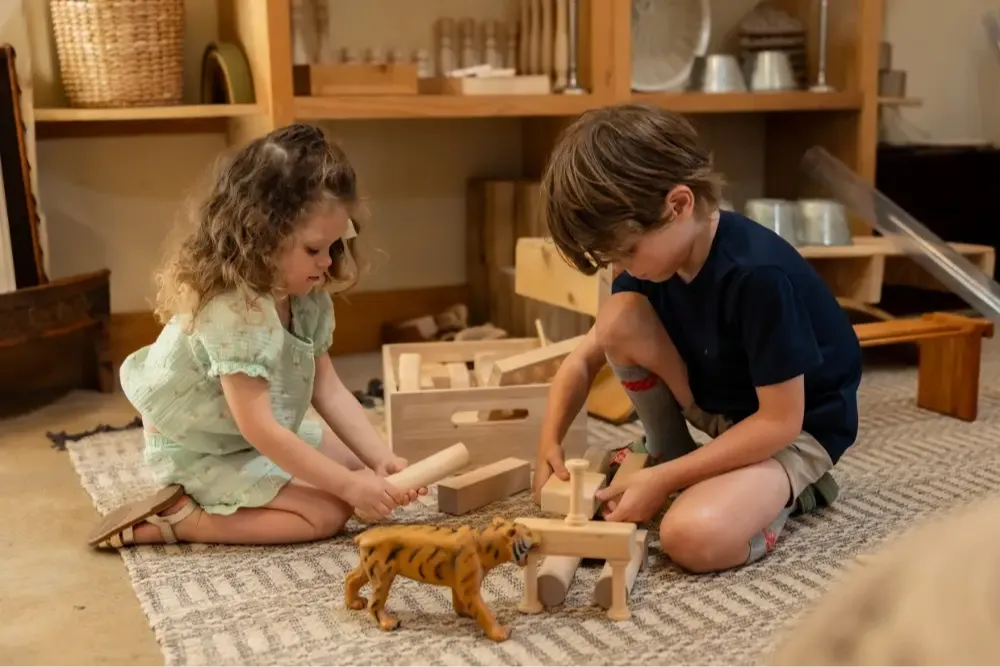
You watch a four-year-old balance a block and hold her breath. You can see the learning. But when a parent or director asks what math the children are doing, the words disappear. This session gives you those words. You will learn the 8 mathematical concepts children build through block play, how to make those concepts visible to families through your observations, and why the traditional practices many programs still use shut down the very mathematical thinking blocks are designed to grow. You leave with the language and the framework to talk about block play as the math curriculum it has always been.
Session 2:
Growing Vocabulary Naturally Through Sensory Play
The 8 Sensory System Language Descriptors
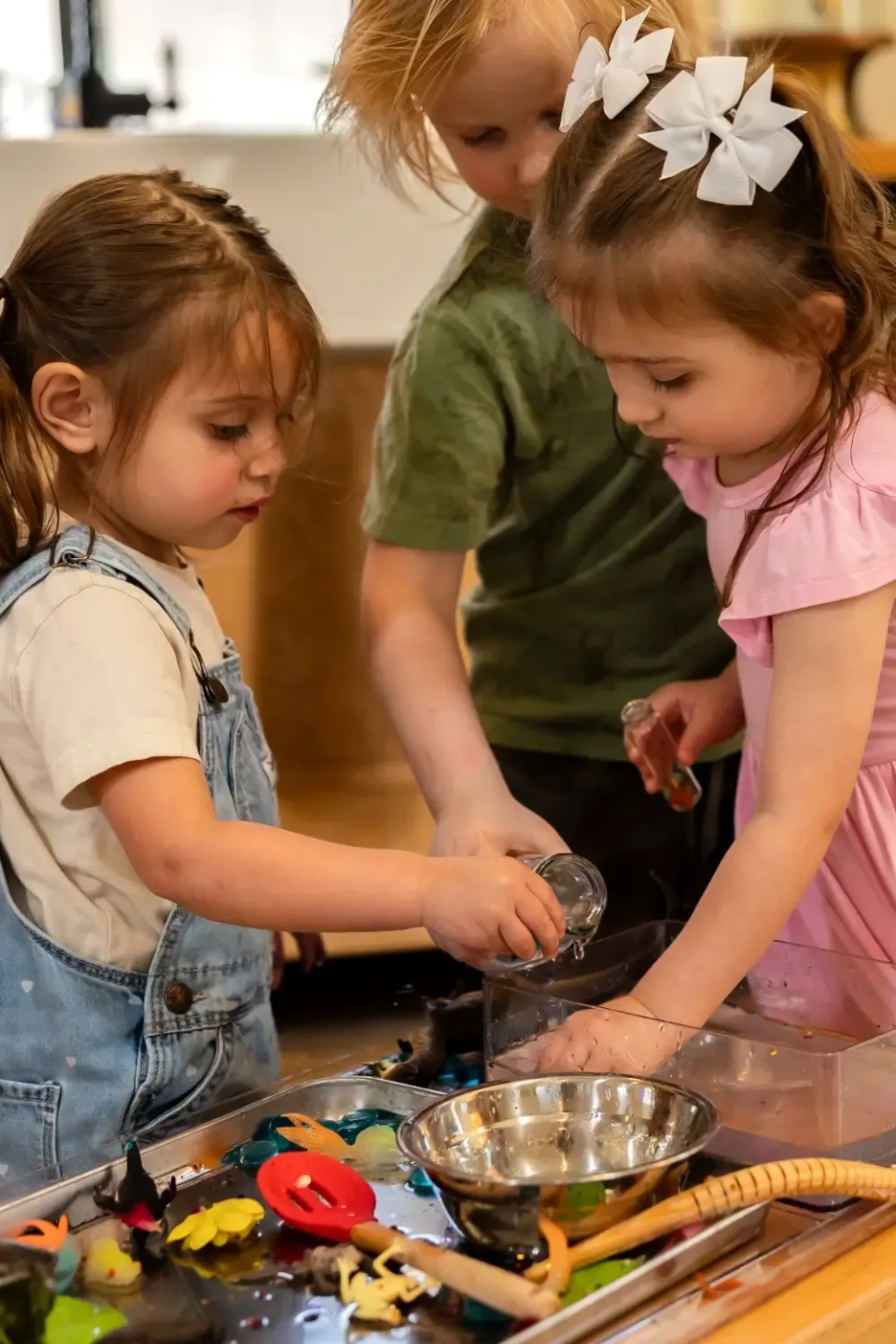
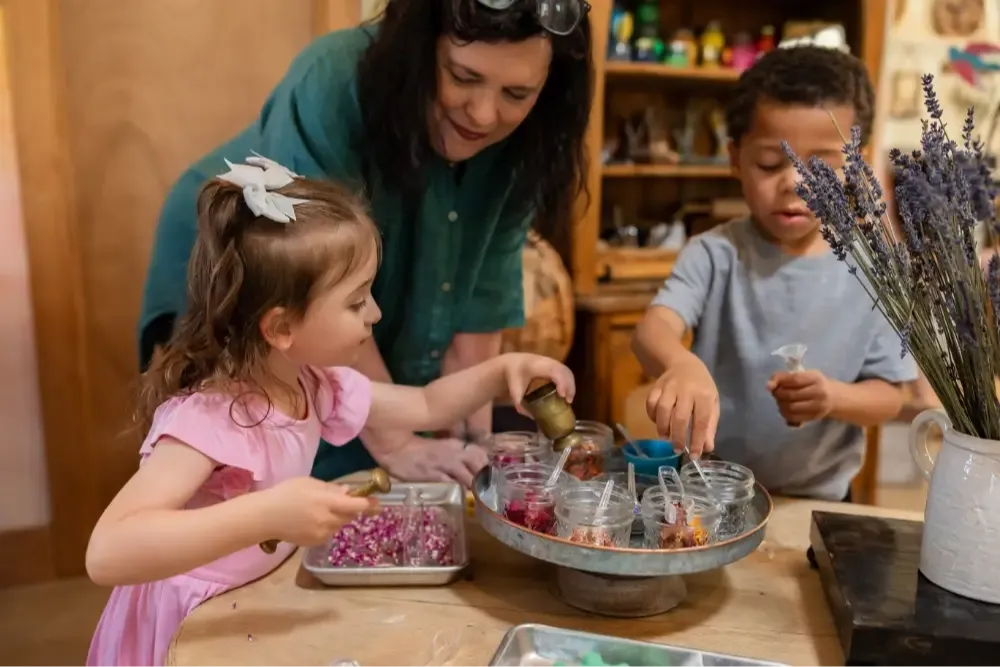
A child pushes both hands into wet sand and says, "It is squishy and cold and heavy." Three adjectives in one sentence. That is vocabulary work. And it happened because the material invited it. Parents see mess. You see language development. This session closes that gap so you can explain, with specificity and confidence, exactly what a child is learning at the sensory table. You will learn the 8 Sensory System Language Descriptors, a framework that names the rich categories of vocabulary each sense invites. You leave with a fresh way of seeing the sensory bin and a method for naming the vocabulary work already happening in your classroom.
Session 3:
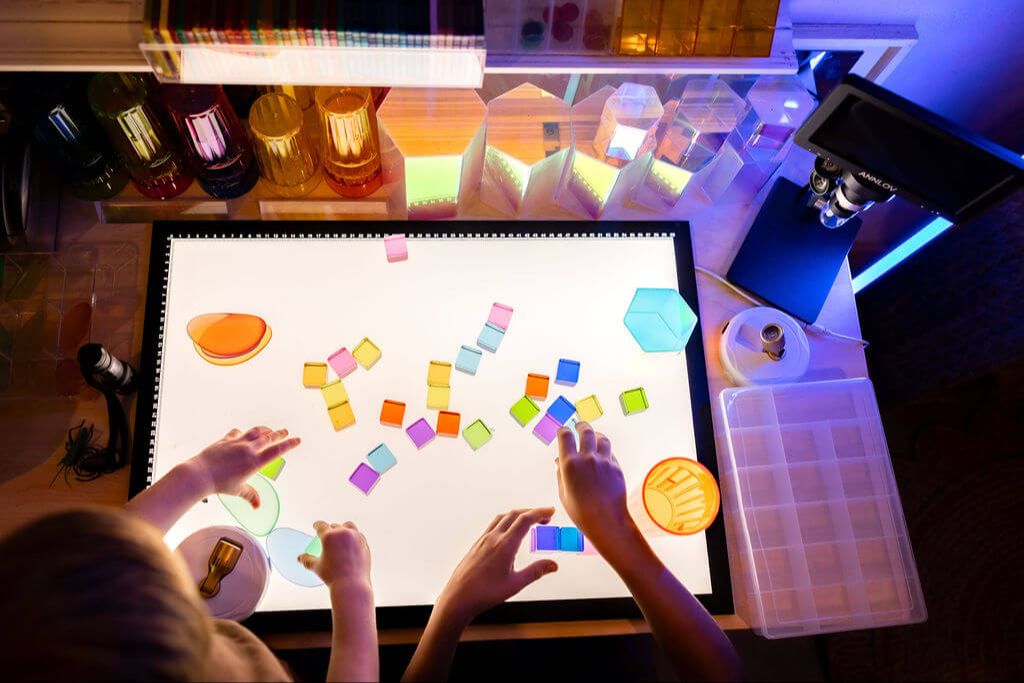
Supporting Scientific Thinking Through Light and Shadow Play
The 7 Science Concepts in Light, Shadow, and Reflection Play
A child moves a toy dinosaur through a beam of light and watches its shadow stretch across the wall. She moves it closer. The shadow shrinks. She moves it back. It grows again. She does it fourteen more times. She is not playing with a dinosaur. She is testing a hypothesis about cause and effect. You watch children do extraordinary things at the light table but struggle to explain why it matters more than a science worksheet. This session gives you the 7 concepts so you never have to struggle for that answer again.
Session 4:
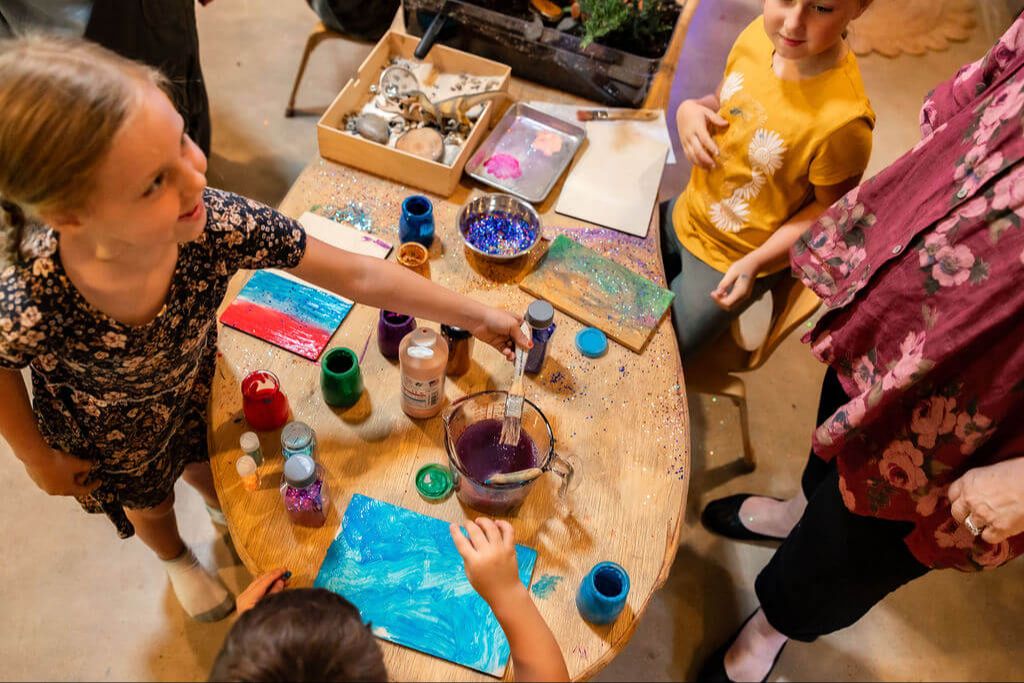
What Children Practice During Process Art
The 8 Thinking Skills Children Build Through Process Art
A three-year-old planned to paint a rainbow. The colors blended into brown. She paused, looked at it, and said, "Now it is mud." And kept painting. That is cognitive flexibility, one of the most important thinking skills a human being can develop. And it showed up at the easel on a Tuesday morning. Parents see a messy painting. Your director sees an activity. You know something deeper is happening but cannot name the specific cognitive skills. This session names all eight.
DAY 2: NAME IT
The Big Ideas Underneath the Play
Today we move past the material to the thinking underneath it. Every session teaches you to see the Big Idea a child is working on and to build from it.
Session 1:
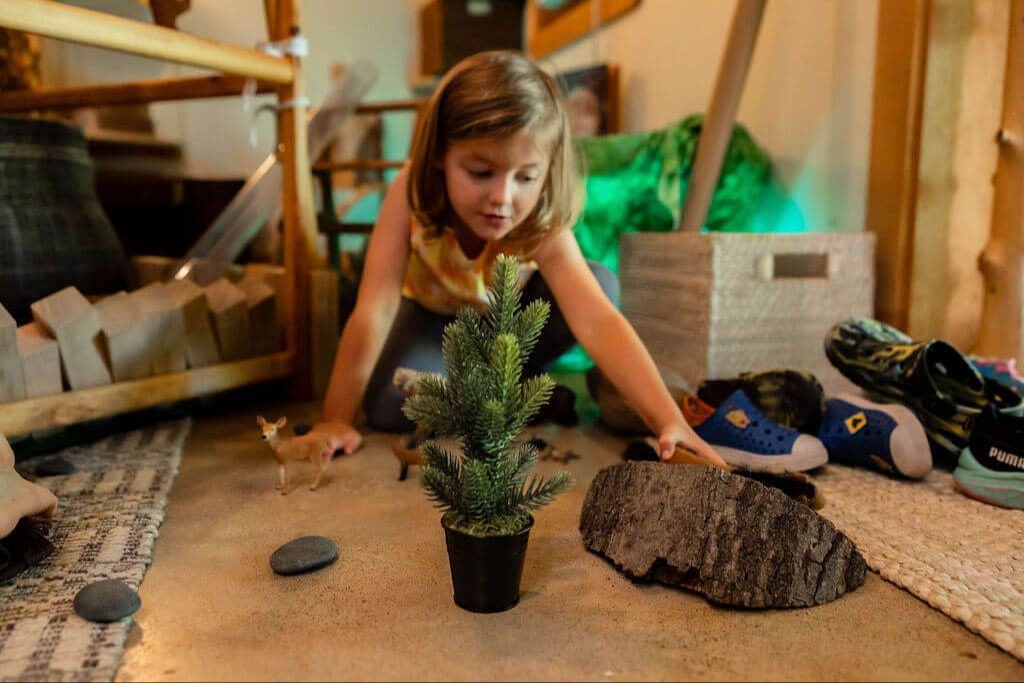
Why Small World Play Is a Literacy Goldmine
The 8 Literacy Skills Children Build Through Small Worlds
A child places a wooden fox beside a river of blue fabric, leans close, and whispers: "And then the fox was brave." That child is constructing a narrative. She is building the internal architecture of story: beginning, middle, end. Character, motivation, consequence. She is doing the deepest pre-literacy work a young child can do. You know small world play matters, but when someone asks what it has to do with reading, you hesitate. This session connects the dots between a child whispering to a wooden fox and the literacy skills that reading depends on.
Session 2:
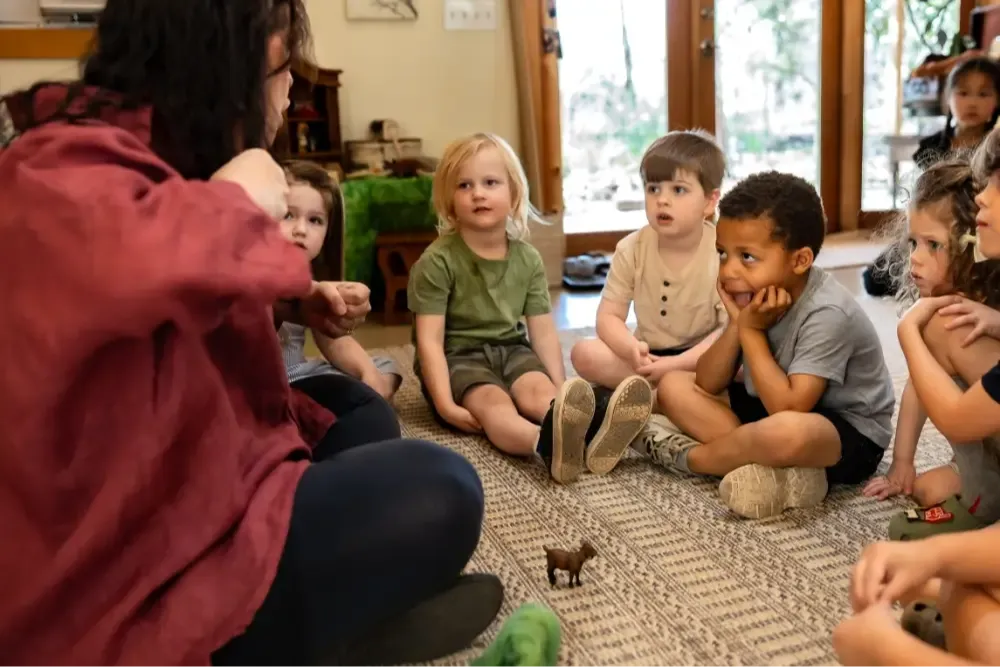
The Circle Time Shift: From Managing Children to Growing Thinkers
The 5 Oral Literacy Skills Hidden in Circle Time
Circle time is one of the oldest rituals in early childhood. And underneath the songs, the morning message, and the sharing, something extraordinary is happening. Children are doing the foundational work of becoming readers. You spend time on circle time every day but might have never been able to explain it as literacy instruction. This session shows you the 5 skills hiding in plain sight and gives you the language to prove it.
Session 3:
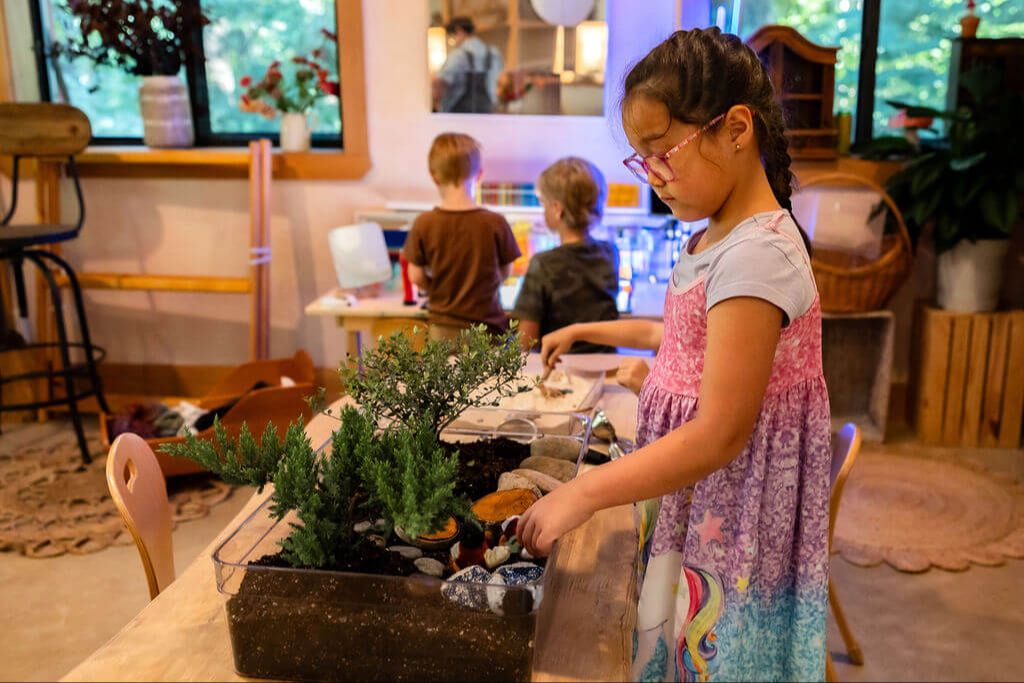
How Nature Tables Grow Curious, Observant Thinkers
The 6 Habits of Noticing Children Build at the Nature Table
A child picks up a dried seed pod, turns it slowly in his fingers, holds it to his ear, and shakes it. Then he places it beside a pine cone and says, "This one has a door. That one does not." That is observation. Classification. Comparison. Language. And he built all of it from a seed pod someone placed on a table with care. You have a nature table. But you cannot articulate what it teaches beyond "appreciation for nature." This session names the 6 cognitive habits children build there and makes the practice defensible.
Session 4:
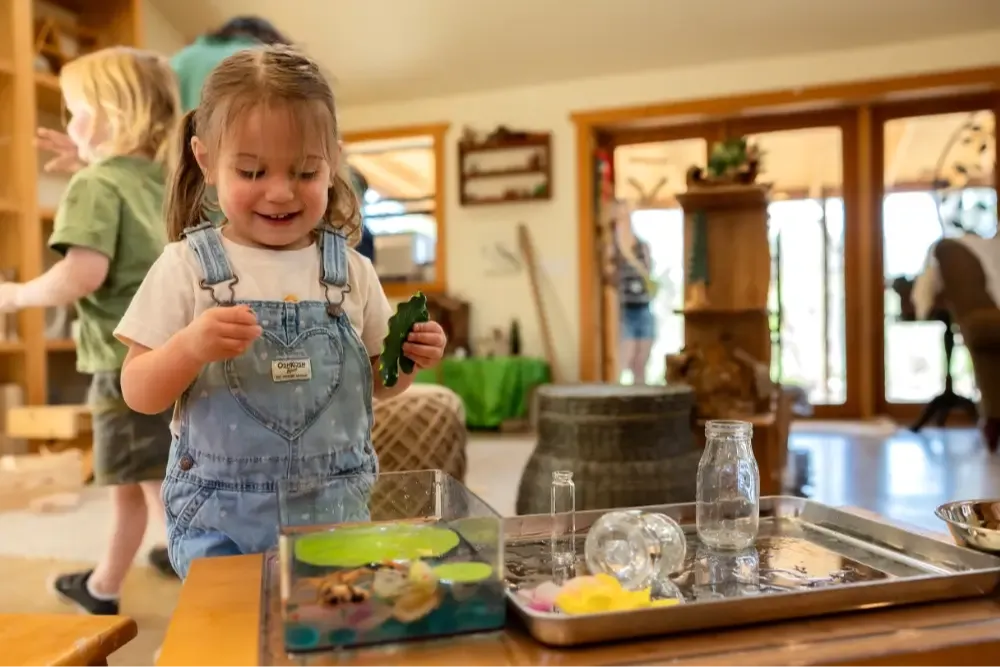
A Simple Shift That Helps Children Engage More Deeply with Materials
The 6 Steps for Introducing Materials with Wonder
How we begin shapes everything that follows. The way you present a basket of shells, a set of watercolors, a tray of clay, determines whether the child handles it with intention or tosses it aside in thirty seconds. Maybe you set out beautiful invitations but the children blow through them in minutes. This session shows you the 6 steps that slow the beginning down so the play that follows goes deeper and lasts longer.
DAY 3: RESPOND
Designing Learning That Follows the Child
Now you design from what you have seen. Every session on Day 3 gives you a framework for building intentional, child-led curriculum that satisfies your standards and your soul.
Session 1:
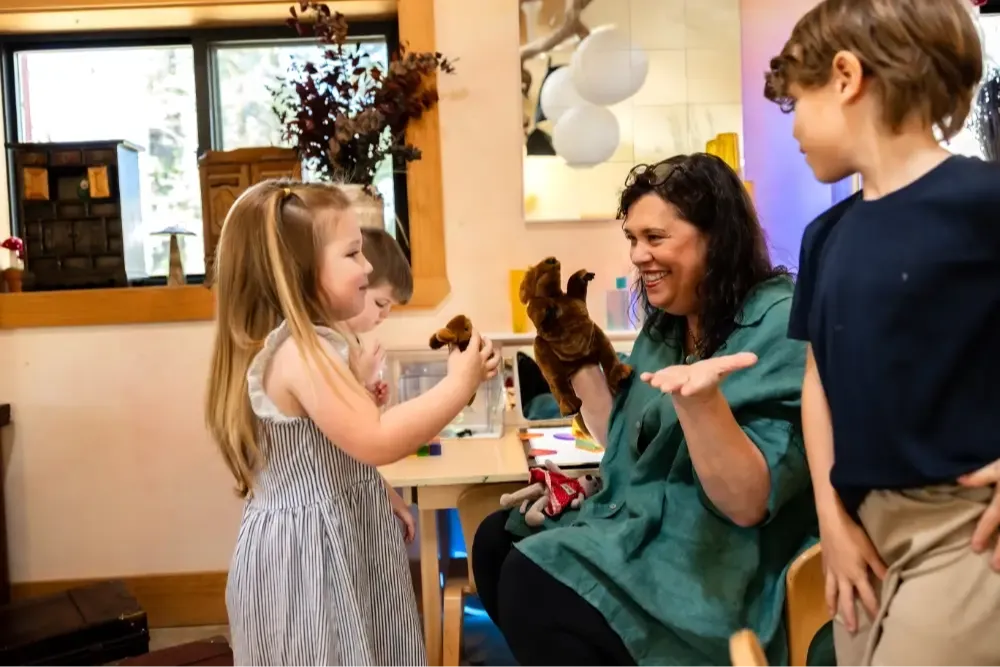
Making Math Meaningful Through Fairy Tales
The 6 Mathematical Concepts Woven Into Fairy Tales
Three bears. Three bowls. Three beds. This is not a coincidence. It is mathematics, woven into the oldest stories children meet. You read stories every week but have never been able to connect them to your math standards. This session shows you the 6 concepts already living inside many stories and how to make them count.
Session 2:
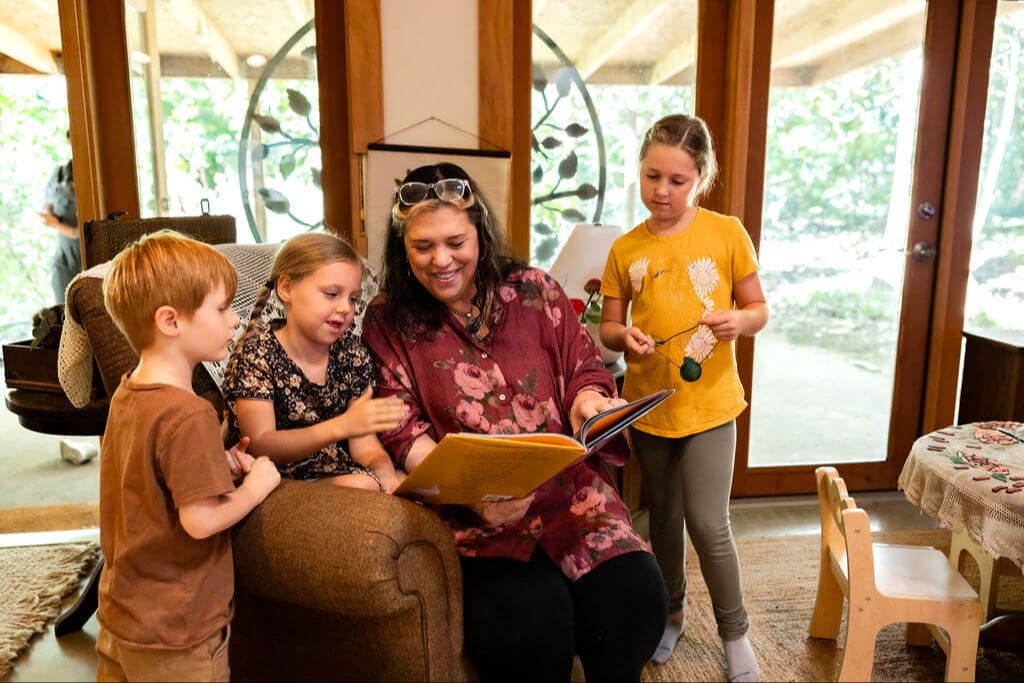
The Literacy Learning Hidden in Children's Names
The 8 Foundational Literacy Concepts Hidden in a Child's Name
The first word a child wants to read is their own name. The letters that belong to them. The shape on the page that says me. You know letter-of-the-week feels wrong, but you have nothing to replace it with. This session gives you a name-based approach grounded in identity, backed by research, and immediately usable on Monday morning.
Session 3:
Building Strong Readers Through Songs and Rhymes
The 7 Literacy Skills Children Build Through Rhyme Play
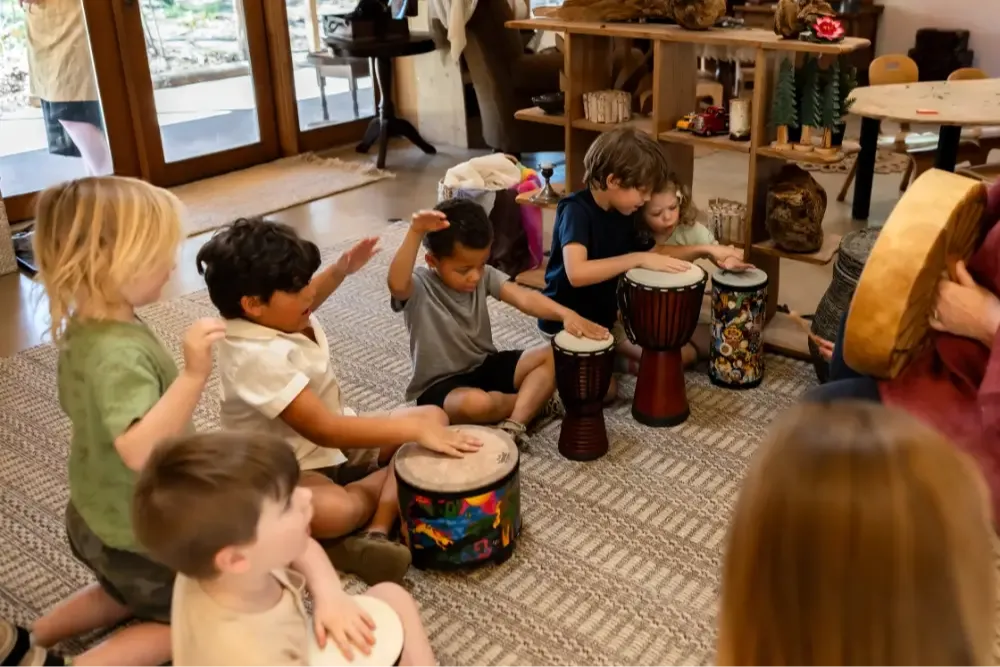
A child who can hear that cat and hat end the same way is already doing the foundational work of reading. Phonological awareness is the strongest predictor of later reading success that early childhood research has identified. And the place children build it most naturally is in rhyme play. You sing songs and do fingerplays every day but have never framed them as reading instruction. This session connects the research to the practice and gives you the confidence to call it what it is.
Session 4:
The Math Already Happening in Your Classroom
The 8 Categories of Mathematical Vocabulary for the Everyday
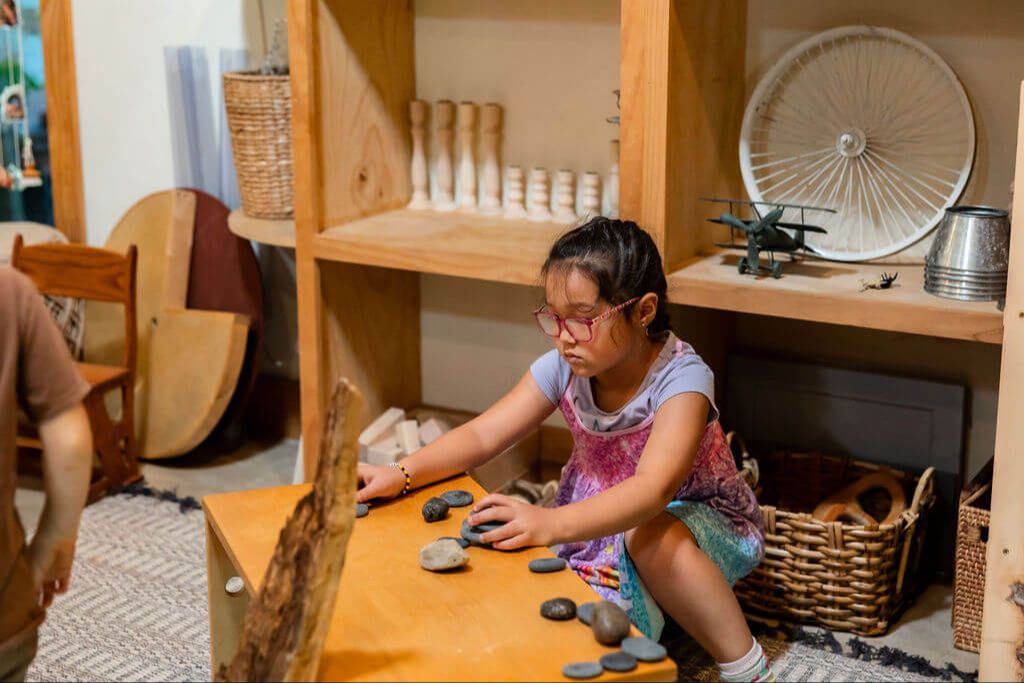
When a child sets the table and counts out four plates, that is one-to-one correspondence. When she says her tower is taller than his, that is measurement and comparison. When she notices the pattern on her shirt, that is algebraic thinking. The math is already there. You know math is "everywhere" but when you sit down to plan, you default to counting bears and pattern strips because you do not have a framework for the math that is already happening. This session gives you that framework.
This event is built on a single planning approach: Observe, Name, Build.
It is the same method used inside the Child-Led Mastery Academy, where educators in over 120 countries are learning to see what children are really working on, name the academics inside it, and design learning experiences that follow the child rather than a prescribed script.
Here is what makes it different from what you have tried before:
You do not start with a theme or a lesson plan. You start with the child. You observe. You look past the material in their hands to the thinking underneath it. You name the Big Idea they are working on. And then you design from what you actually saw.
No Pinterest planning on Sunday nights. No activities that children abandon in three minutes. No scrambling to connect what happened to your standards after the fact.
The learning is already there. This method gives you the system to see it, capture it, and communicate it with confidence.
SAVE MY SPOT (FREE)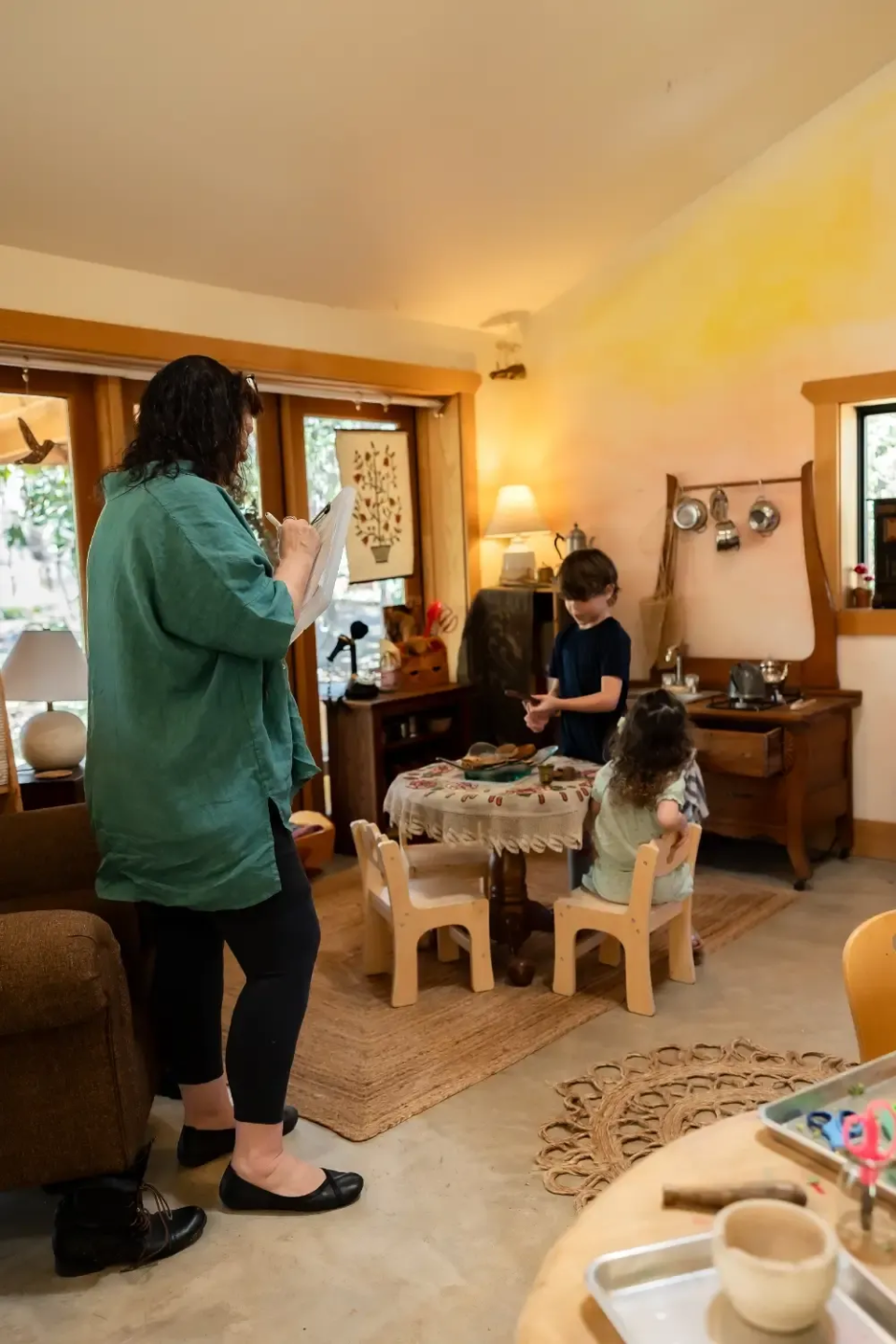
This event is for you if:
- You believe in play-based, child-led learning but struggle to articulate WHY it works when someone asks.
- You watch rich learning unfold every day and cannot find the words to name it at pickup time.
- You are tired of feeling like you need to choose between what you know is right for children and what the system demands.
- You spend your Sundays planning activities instead of living your life, and the children blow through those activities by 9:30 AM anyway.
- You want a planning method that starts with children, not with a curriculum binder.
- You have a parent asking about letters, a director asking about assessments, or a licensing body asking for evidence, and you need language that makes the invisible visible.
Every session in this event follows the same thread.
The children are already doing the work. The academic learning is already inside the play.
What has been missing is a framework for seeing it, a language for naming it, and the confidence to talk about it with the parents, the directors, and the systems that keep asking for proof.
This summit gives you all three.
Three days. Twelve sessions. One planning method.
See it. Name it. Build from it.
SAVE MY SPOT (FREE)
Meet your host
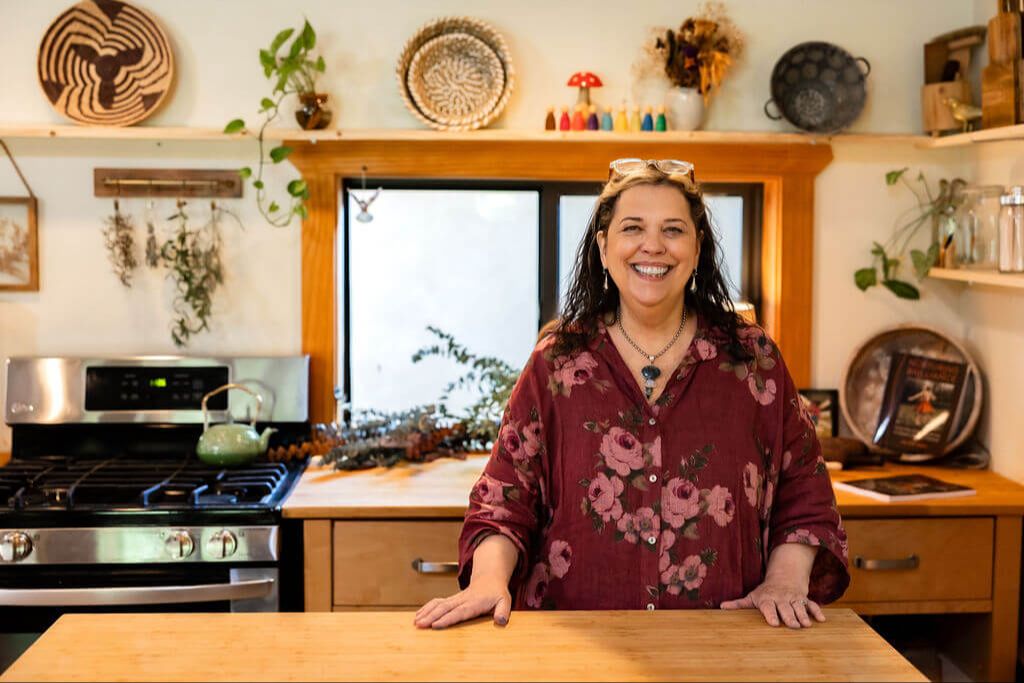
Sally Haughey has spent nearly 30 years on the classroom floor with young children. She is the founder of Wunderled, where she works alongside educators in over 120 countries who are making the shift to intentional, child-led practice.
She is not going to tell you to do more. She is going to show you how to see what is already happening and give you the words to talk about it with anyone who asks.
July 17, 18, and 19. Online and Free
Three days. Twelve sessions. The planning method that makes the academic power of play visible to everyone who needs to see it.
SAVE MY SPOT© 2026 Wunderled. ALL RIGHTS RESERVED.